
Beijing - China
The Constitution
The Constitution of the Republic of Uganda, 1995
The Constitution of the Republic of Uganda, 1995
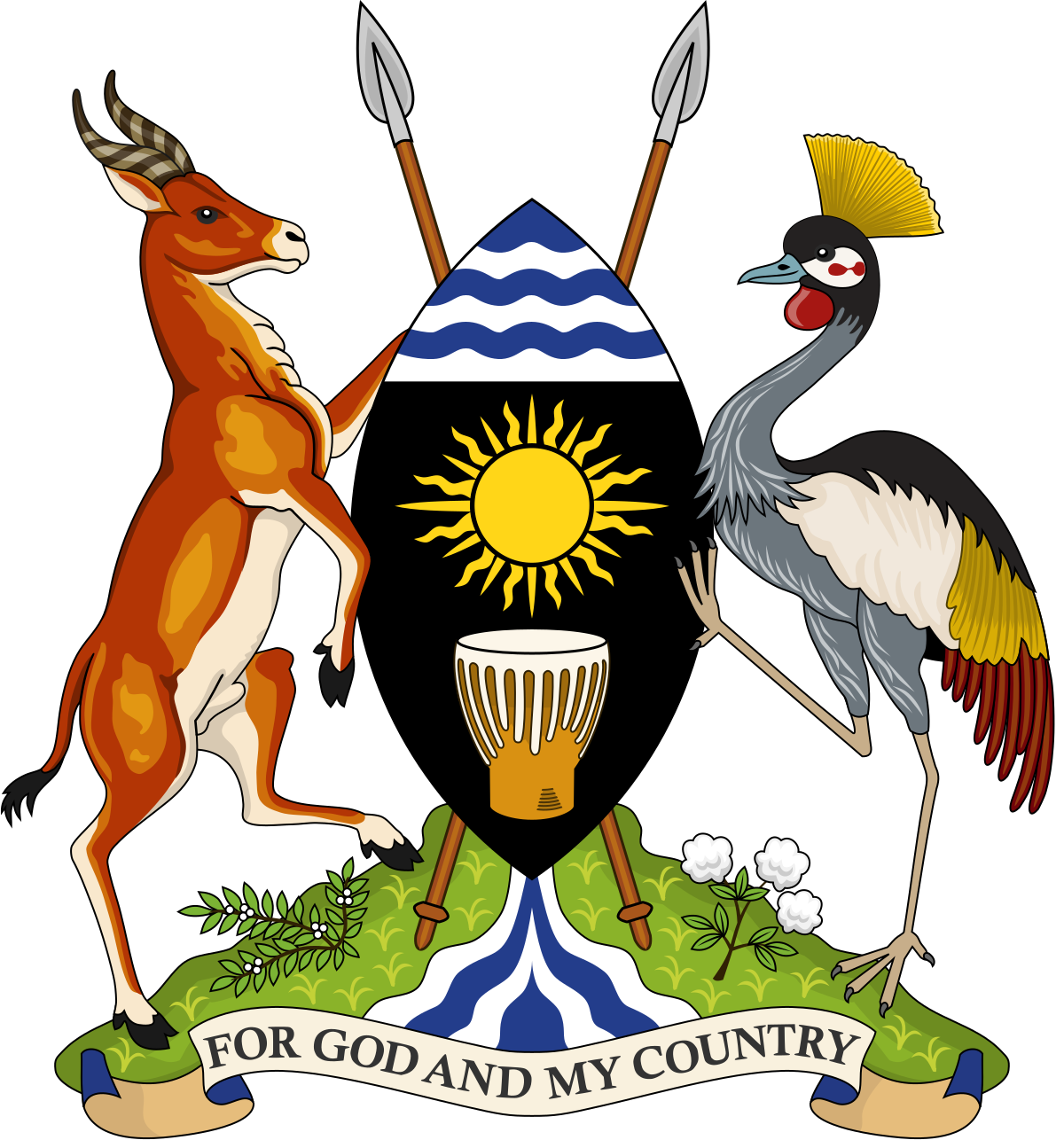
The Constitution is the supreme law of Uganda. The present constitution was adopted on 8 October 1995. It is Uganda's fourth constitution since the country''s independence from Britain in 1962.
The first Constitution was adopted in 1962 only to be replaced 4 years later in 1966. The 1966 Constitution, passed in a tense political environment and without debate, was replaced in 1967. The 1995 Constitution established Uganda as a republic with an executive, legislative, and judicial branch. The roles and powers of each of the Government arms are enshrined and spelt out in the Uganda Constitution 1995.
The Constitution is the supreme law of Uganda. The present constitution was adopted on 8 October 1995. It is Uganda's fourth constitution since the country's independence from Britain in 1962.
The first Constitution was adopted in 1962 only to be replaced 4 years later in 1966. The 1966 Constitution, passed in a tense political environment and without debate, was replaced in 1967. The 1995 Constitution established Uganda as a republic with an executive, legislative, and judicial branch. The roles and powers of each of the Government arms are enshrined and spelt out in the Uganda Constitution 1995.
The 1995 Constitution has been amended twice since its promulgamation. In 2005 and in 2017.
SIGNIFICANCE OF THE CONSTITUTION
The primary function of the constitution is to lay out the basic structure of the government according to which the people are to be governed. It is the constitution of the country, which establishes the three main organs of the government, namely, the legislature, the executive and judiciary.
- The constitution of a country not only defines the powers allotted to each of the three main organs, but it also significantly makes a clear demarcation of the responsibilities assigned to each of them. It effectively regulates the relationship between these organs as well as the relationship between the government and its people.
- The country's constitution stands superior to all the laws framed within the territorial precincts of the country, any law enacted by the ruling government has to be in conformity with the Constitution.
- The constitution does not simply provide a recipe for an efficient government, but also deals with limitations on power. It was established to restrict the abuse of power by those who conduct governmental functions.
- The constitution of a particular country lays down the national goals which form the basic edifice on which the nation rests upon. For instance, the constitution of India has inscribed in it the primary facets of the nation which are democracy, socialism, secularism and national integration.
- The constitution, besides articulating the rights of the citizens of the concerned nation, also has embedded in it the duties that our citizens require to adhere to.
Read the Constitution of the Republic of Uganda here.
